NYC Based Amarcord a Vintage Haven with Over 50,000 Pieces of Clothing
We talked to Patti and Marco, the owners of Amarcord Vintage Fashion, about their passion for vintage clothing, what makes them stand out from the competition, and where this business is headed.
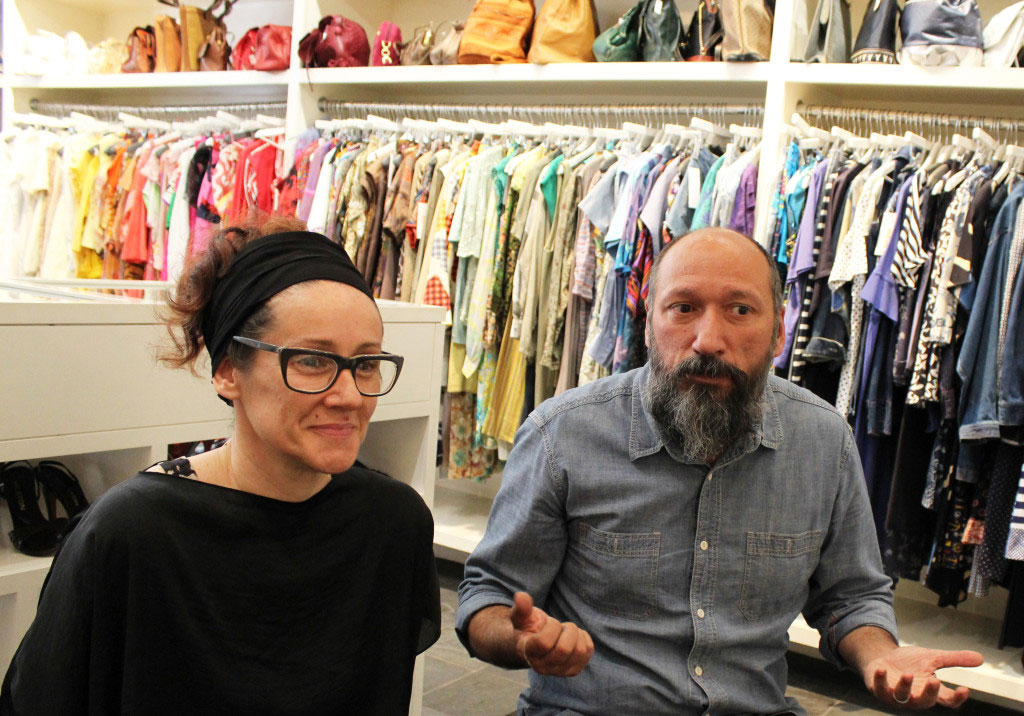
Patti Bordoni and Marco Liotta are the owners of Amarcord Vintage Fashion. The business, which started off as a fledgling start-up in flea markets, has expanded to two boutiques located in Brooklyn and Manhattan and an online store. Their high end vintage clothing stores feature items with a European Flair, unique design, excellent condition and total wearability.
When did your passion for vintage clothing start and what inspired it?
Patti: In the 80s, I was managing discothèques, and we had theme parties thus I was already involved with second-hand ; we call it “usato” in Italy. I was wearing vintage back then to look different and to have fun and interesting things on that allow me to express myself. It is a passion that grew fonder through the years.
Marco’s background is in retail marketing. His family always worked in manufacturing. Combining my passion and knowledge of vintage with his force – we decided to open a store. It really started from the ground.
What makes your store different from others?
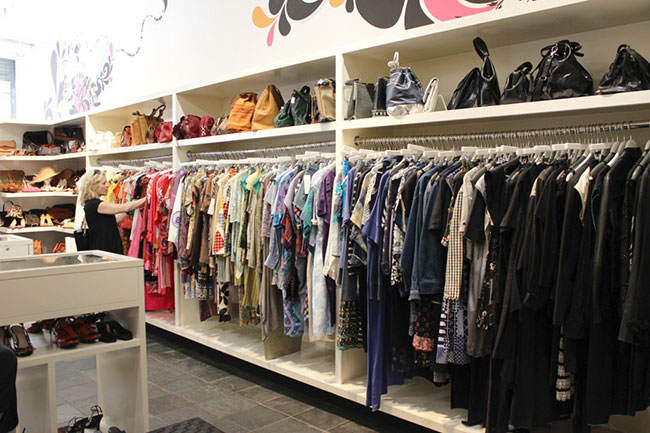
Patti: We specialize in Italian goods. That is what made us different from other stores. When we opened our store in 2000, 90% of our selection was individually handpicked by us from Italy, and sent over to New York. The first store was an instant success. Our stores are real boutiques; clean, crisp and chic. We add things every week, and every season we change the whole store. We won the best vintage store in New York Magazine in 2000 and 2010, so ten years later we were still relevant.
Are your clothes still primarily Italians?
Patti: It is about 60/40 for several practical reasons. The Euro skyrocketed, also, it is more expensive to go to Italy and find goods as there is more competition. We now have to spend more time and money on finding sources. We also have to integrate our aesthetics to trends. We need to have certain things that you don’t find in Italy and are made somewhere else. Hawaiian shirts and harem pants are in style; they are not really European, but you know, why not? They are relevant.
It takes a lot of work to keep up.
Patti: The company aesthetic is elegant. Edgy, trendy, but the bottom line is Italian style; clean and wearable. We fix, dry clean and wash everything. We try to keep everything as original as it is. But we bring in wearable pieces - you don’t have to go to the tailor. Wearable is our trademark.
What inspires you to keep going?
Marco: Debts! (laughs). And, we have a little girl that is middle school now but we are planning for her future.
Patti: It’s a passion, we can’t do anything else. It’s the treasure hunt. Finding that old thing that brings memory up. Like archaeologists – we are uncovering. With all the TV shows and the fact that vintage sounds like an easy bandwagon to jump on, you don’t find much. The search is much more difficult but it’s still the passion, to have satisfaction in what you do.
What advice would you give to people who want to get into this business?
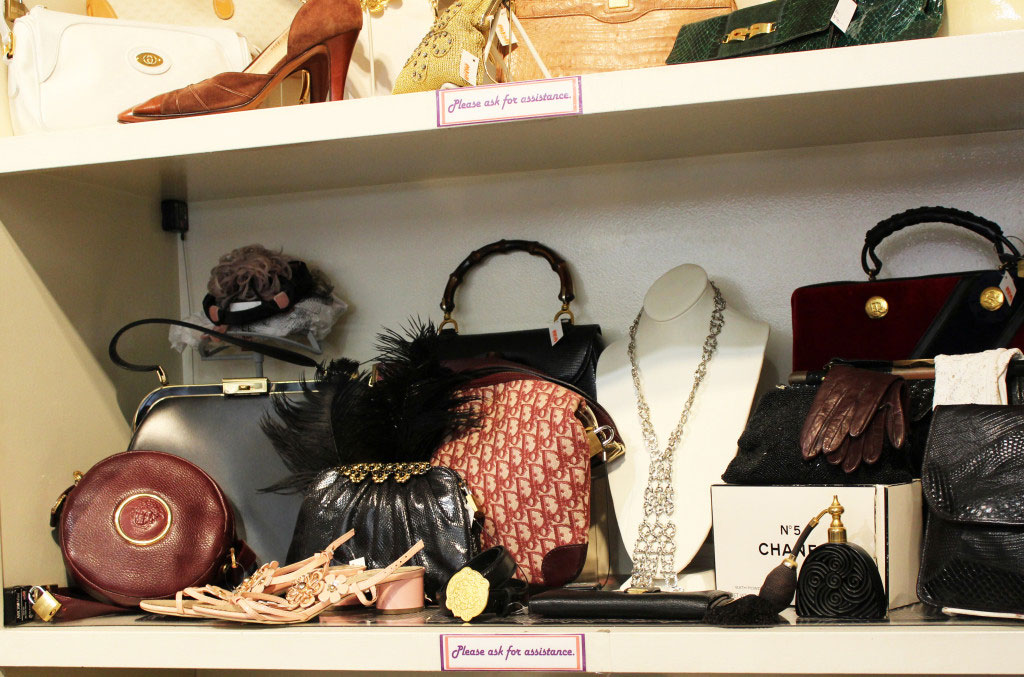
Patti: If you want to go into your own business, you have to be ready for 100% commitment. You really need to do your research and legwork. In Italy, we say “Tra il dire e il fare, c’è di mezzo il mare” which means that “from saying to doing, there is a sea in between.”
Marco: When you open up your store or have your own company, you must have opening expenses covered. You just have to move your ass. Regardless of the amount of sales, you still have to get the ball going. It’s a big responsibility. In the end, this is a tough city and there is no way that you will be successful in the city unless you constantly push. Hard.
Where is vintage business headed?
Marco: The vintage business is dying. Before the 80s, there was a huge attention to detail industry-wide. Pieces were made with materials meant to last. In the 80s, the market was pushed to make products that were less expensive, and not well made. Now, bags are melting after a couple of years in your closet and shirts fall apart after you wash them three times. All of this garbage, all of this stuff…it’s such a waste.
Patti: Now everything is based on instant gratification and materialism. People want to wear what it is in style right now regardless of it is a quality garment or not. You don’t keep an H&M shirt in the closet for your daughter! But you will keep an Armani.
We go to big warehouses that recycle used material and we see the waste. Mounds. Especially plastic and polyester. But there are textiles you can recycle. There are so many parts that you can recycle, reuse, reinvent like we do with our motorcycle leather jackets.
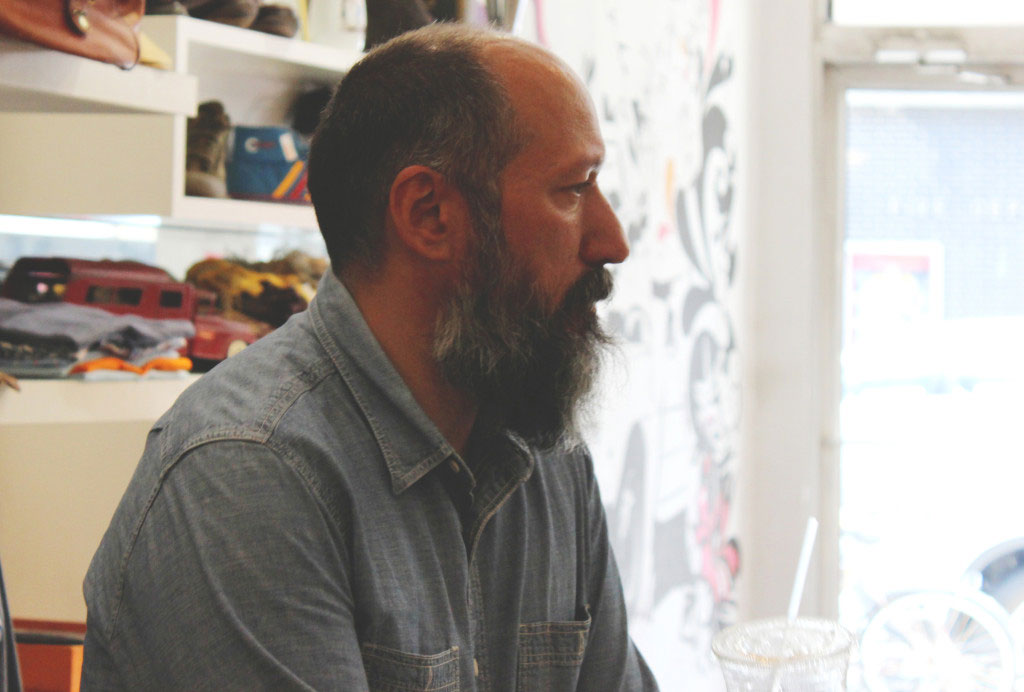
Your vintage fashion archive that contains 50,000 unique pieces must be so important to you then. Those pieces don’t just get thrown away.
Patti: Yes, we try to extend their life, and give a new option to things that have been loved before. They can be loved again because people appreciate the style, manufacturing, and the vibe of something again and again.
Marco: That’s what I would love to see in the future and support. To see more young designers reuse the material that we see wasted every single day.